One More Run
:::::::::-:::::::::::::::-:::-:::::--:::::-:::::::::-:-::-:::::::::::--:::::---::::-::::::::::::::::::::::::....:....:::::::::.::::::::::.:::.::::::::::::::::::::::::::::::::::::::::::::::::::::::::::::::::::---:----------------------------
:-::::::::::::::::::::::--::::::::::-:::::::--:::::-----:-::::::-:::-:------------------::-::::::::::.:::::::.............:::..::::::::::::::..::::::::::::::::::::::::::::::::::::::::::::::::::-::::-::-:-:---::::----------------------------
::::::::::::::::::::::::::::::::::::::--:::::::::::----------::::-::-::-::::::::-::::::::--:::::::::::..::::::::......::.:::....:::::::::::::::::::::::::::::::::::::::::::::::::::::-::::::::::::::::-:----------------------------------------
::::::::::::::::::::::::::::::---------::----------------:--:::-:::::::::::::::::::::::::::::::::::::::::::::::::..:::....:::::::.:::::::::::::::::::::::::::::::::::::::::::::::::::-::-:::::::::::::::-::-:-::------------::------------------
::::::::::::::::::::::::::::::---------::::::--::::::::::::::::::::::::::::::::::::::::::::::::::::::::::::::::::..::.......:.:::::::..:::.:::::::::::::::::::::::::::::::::::::::::::::::::::::::::::::-:--------------------------------------
::::::::::::::::::::::::::::-:-:::--::-:::::::::::::::::::::::::::::::::::::::::::::::::::::::::::::::::::..:::::....:........:::::::::::::::::::::::::::::::::::::::::::::::::::::::::::::::::::::::::::-::----:::--------------------------=--
::::::::::::::::::::::::::::---:::::::::::::::::::::::::::::::::::::::::::::::::::::::::::::::.:..:::..:..::::::....:::...:::..:..:::::::.:::::::::::::::::::::::::::::::::::::::::::---:::::---::::-::-::--::----:-----------------------------
:::::::::::::::::::::::::::::::::::::::::::::::::::::::::::::::::::::::::::::.::::::...::::::::..:::..::.:::::......::::::.:.....:.::::::::..:::::::::::::::::::::::::::::::::::::::::---:-----::-:-::---::--:::------------:-------------------
::::::::::::::::::::::::::::::::::::::::::::-:::::::::::::::::::::::::::::::::::::=+++=-:::::::....:--==-----::......::.:.........::::.::::::.:::::::::::::::::::::::::::::::::::::::::::::::::::-::::::----::::---------:--:---------------:::-
:--:::::::::::::::::::::::::::::::-::::-:----::-:::-:::::::::::::::::::::::.::---+@@@@%=*=-+-..::--....-=====+*#+---:::............:::::::::::::::::::::::.:::::::::::::::::::::::::::::::----::::::::::::::---:::---::::-----------------------
::::----::::::::--::----------::----------:::::::::::-::::::::::::::::::::.=**%#**%%#**+=+=*%*#%%@@-   :+++++=====+++***++: :=---::::.............:::::::::::::::::::::::::::::::::::::::::-::-:::----::::::::::::::::-::-----------------------
::::------:::::---------------------------------------:::::::::::::::::::.:#@@##@@@#*+=--+#%@@%@@@@#..:-##*#*=-........::::.:=++*###++==+*++++===------::::::::::::::::::::::::::::::::::::::::::::::::--:::-::::::::::------::-----:-----------
:::--------:-:----------:-----:-----:-----------------::::::::::::::::::::.=%@%%@@@@@@@@@@@@@@%@@@@%#%@%-:::::--........:.........:::--==*#%@@@@@@%#%%%%#***==-:::::::::::::::::::::::::::::::::::::::::::::::::::::::::-----:----:-::----------
-:-:---------------------------:------------------:::-::::::::::::::::::::..-#@%@@@@@@@@@@@@@%#@@@+-+#%*- .................................:::-==++=+*#@@@@@%%-.:::::::::::::::::::::::::::-::::::::::::::::::::::-:::::::-:::----------::------
------------------------:--------:-----------------:::::::::::::::::::::::...-=+#@@%@@@@@@@@%**#*=..-:..............................................:::--==++=:.:::::::::::::::::::::::::::::::::::::::::::::::::::::::::::---::---::-----------
==-----------------------------------::::::::::::::::::::::::::::::::::::.. ....=#%**%@@@@@@@=...  .--==-.....................................................:::::::::::::::::::::::::::::::::::::::::::::-:::::::::::::::::-::--::------------
--=--------------------------------------::::::-:::::::::::::::::::::::::   ...:+##**%@@@@@@#-.....*%@@@@*......:::........:.....:.::..::............::.....:::::::::::::::::::::::::::::::::::::::::::::-:---------:::::-:::-------------------
---=----------------------------------------::-----:::::::::::::::::::::.      .:--+#%%@@@@@#%*.   ....:=#:...:.:::........::.....:::::.....::.:..::.:::::.::::::::::::::::::::::::::::::::::::::::::::::-------:-:::::-------------------------
-----=------------------------------------------:::-::::::::::::::::::::            ..::----::.          ....................:....:.::::::::.:..:...:::::::::::::::::::::::::::::::::::::::::-:::-:-::::::--------------------------------------
------==--------------------------------------:--------:::::::::::::::::..        ..........               .........:..........:....:::::::.:::::::..::::::::::::::::::::::::::::::::::::::::::::::--::::---------------------------------------
--------=--------------------------------------------:--::::::::::::::::::.      ....::::::::...           ......:::....:::::::::::::::::::::.:::::::::::::::::::::::::::::::::::::::::::::::::::-:-:::-------:-----:---------------------------
--------------------------------------------::--:::-:::::::::::::::::::::::......      .......       .    .+:......:...:::.::::::::::::::::::::::::::::::::::::::::::::::::::::::::::::::::::::-:::::::::--:::----------------------------------
:::::::--------------------:::::::::::::::::::::::::::::::::::.::::....:.::--::..........................:-*:..............:.....:.::::::::::::::::::::::::::::::::::::::::::::::::::::::::::::-::-::::::--:------------------------------------
::::::::::------::::::::::-:::::::::::::::::::.:::::::::..................--:---::-===-:--:::::::::-:::--++:.....................::..::....:::.:::::::::::::::::::::::::::::::::::-::::::::::::::::::::::---:-::--::----------------------------
:::::::::::::--::::::::::::::::...::::::::::::::::::::::.::............. .:--:::-*@@@@-.:::--::-*%%@-:-++-        ....................:....:..:......:::::::::::::::::::::::::::::::::::::::::::::::::::::--::::::-::---------------------------
::::::::::::---:-----------:::::::::------:::::::::::::::::::.............::--=*@#==@%:::::::-*@**@#:-==:  .........               ....................:..::::::::::::::::::::::::::::::::::::::-:::::::::-:-----::-----------------------------
:--::---------------=====----------:::::::::-::::::---::::::::::-::::.....:::-@@*-.+@#.::::=#%+-:#@+==:..........::.::............          .......................:.:::::::::::::::::::::::::::::::::::::---:--------------------------=-------
--------------------======-==------:-----::::::-::::::::::::::::::::..:-:::::.=*###%@%+...-@@#**#@%*+-.:::...:....:.:....::...::::.................. .. .  ...............:....::::::::::::::::::::::::::::::::----::---------------------------
===----------------------=--==--=----------::-::::::::-:::::-:::-::::.::::::::. .::#@#=:-:.-===#@@*=:...:.............:.......:::::..:::...:::::::::::::.........................::..:.::::::::::::::::::::::-::::-::-:-----------------------=-
-==------------------------=-==----------:--==-:-::::-=+--::::.:...:.::::..::--: .*%@%=:-==:..+###+:.:..::::::::::::::..:.::::::::::.:::::::::::::::::::::::::::::::::.:::...:...............::::::::::::::::::::::::::::::---------------------
-------------------------==--=----------------=-::::::-=-:::::::::::.......::::--:===+=----++--::-:...........::::.::.....:::::::::::::::::::::::::::::::::::::::::::::::::::::::::::::::.:::::.::.::::::::::::::::::::::::---------------------
.---------------------======---------------------::::::::::::::::::::.::::..:::.:--:..:-=+=-=+++=-.............:.:.:.....::.::::::...:::::::::::::::::::::::::::::::::::::::::::::::::::---::::::::::::::::::::::::::::::::::::::::-------------
  :----------------------===-------::---------::-::::::::---::::::::::::::...:--:.:---:::-=+===++:............:::..:.:::::::...::::::.::::::::::::::::::::::-::-::-:::::::::::::::::-:=#**=---::::::::::::::::::::::::::::::::::::::::----------
   .-------------------=--=-=-----:-----:-::-:::::::::::::::::::::::::::::..:...:::.::-----=+***=........:::::::..::::...........:.:::::::::::::::::::::-::::::::::::::::::::::::-==*+**##%******+-:--:----:-----:------:---::::::::::::::------
    .--=+=----:---------:--=---::----::----::::::::::::::::::::::::::...  ..::::..:::-----=+++++. :::::::..::::::::..........:..:..::::::::.:::::::::::::::-::--::::::::::::::::-=#%#%#%%%%%%@@@@@*----:---------------+=--:---------::::-::::--
:.    :-=====-------------=++=--------:--:-:--::::::::::::::::::...       .:::::::::--=+-:::..:  ..:::::::.:::::::....::.:::::::::::::::::::::::::::::::::-::::-:::::::::::::::+-=##%%%%@@@%%%%%@@@+-------------------=-:-===-------------::-::
---:   .:-=+===--=-------:------:-::::::-:::-=--:::::::::::::::.   ..........:::=####%%%=..     ........:::...::::::::........::::::::::::::::::::::::::::::::::::::::::::::::-==+##%@@@@@@%%@@@@@%+--------------==-==-:-------------=====-==--
---:..:..:--=+=-------:---::::--::::-:::::::::-----:::::::::::: ............ ....:===-:..    ........::::.:::::::::::::....::..:::::::::::::::::::::::::::::::::::::::::::::::-==%%%@@@@@@@@@@@@@@%=-:-::-----=--=====-------==--=====+==---====
------:   ..:---------:--:---:::::::--::::------===-::::::::::. ...:...........               .::::..::::..:-:::::::::::::::::.::::....:::::::::::::::::::::--:--:::::::::::::::=%#%%%%%@@@@@@@%%%@%=-::-==------===-:-========-=======--======+
-------:     :-------::--::----------::--:------=--::::::::::. ...::::::::...:..... ..       ..:::...:--::.::...::::::::::::---:::::::...::::::::::::::::::::::--::::::::::::::.-*=*%%%%@@@%%%%%%%#*+#=:-=-----::--=-------===-----------=======
---:--==:     .------::::::-:::::-:::::::::::::::-:::::::::-. .:::::::---::...::.::......... .:--:...::::.:::::-::::::::::.:--:::::::....::::::::::::::::::::-::-::::::::::---:=--##@##%%##+*#*%%#*#%*. ..::--=-:::----=====--==-======+---=====
====*+----.    .:-----:----::::::---::-:::::::::::-::::::-::  ..::--==-===-:....:::........:...-:.....:..:::....:::::...:::::::::::::::::::::::::::::::::---::-::::---::::::::--=+#%@%%**+=+#%%%@@@%+.      .:-=-:-::--=+====-========-===--====
-----------:.    :---------:------:-:::::::::::::-::::::::.   ..::-=*-:::::.::.....::::..::::=-:...:::....::::::::::::::::::::::::::::::::::::::::--::::::--:::::::::::---:::::::*%@%@%#****+*##*+=.          .:-------=-------:---=====-=--====
------==--:---.   .:----:-----:--::::::::::::::::-:::::::.   ..::--+-:::::::.::::::..::-::-::::.::::.::::::::::::::::::::::::::::::::::::::::::::::-:--::::::::::::::::::::::---::=#%@@#*##**+=:                 .------------===---====--------
------==---==--.    .--:::::------::::-:::::::::::::::::. ...::::-+-.:::::::......::::::---=-::::::::::::::::::::.::::::::::::::::::::::::::::-:--:::.::::::::::::::::::::----=--::-*%@%=--*#+.                    .:=------==+++++=-----------=
---------------=:    .::::::::------::::-:::::::--:::::. .::::--=+-:::::::::.. .....::::::::.::::::::::::::---::::::::::::::::::::::::::-::--:----:-::--=-:::::::::::------------:--*@@@=::=-.                       .:---=====--===---======-==
------------------:::  .:::::.:------:::::::::::--:::::...:--=+*+-::::::::::-.  ...........  ::::::::::::::::::::::::::::::::::::::::---==-++==++***+-:----:---::::----=----------:.=@@#:::                            .:--------=-=----===---==
====--------=======-:.   .::.::::::::---::.::::::::..-##=:::-=+=-:---::-:----:.. ........    .::::::::::::::::::::::::::::::::::::::=*=--=+#*+=+++++++=--:---==---------------:::-::-%@*:::.   .                         .----------=---------==
=--==-::--------==---:   ..::::::::::--::::..:..::..-#*--:-++=-:-:::::--------:......         ::::::::::::-:::::::::::::::::::::::::=+--==##**++++**++**+-=-----------------:---:::--#@%---=. ..             .             .:---------------=-==
---------==-----=-----:. .  .:-::---==--::-::..    -#-    .=-------------:::---:.....         :--:::::::::-----:::-::::::::::--::::---+*+#%##*****##*#++----:-----------------------:*@#::-==...          .. ..              :-----------==--==-
=--=---=-------------=--:.:. .:--====:..==--:::: .=*:   .::. . ...::::-------==-:.....        .--------==-----:---::-:-::-:--:::::--:-+##%##########%#+*:-----------------==--::=---:=*::===-:.:.              .              .--==--==---------
=====--=-----------------:.    .:::::.:=+:   --.:*+.   :=-:-::::...........::----:......      .----=====--::---:::-::-==-==----:--:--++-**#**#%%%%%@@@@=:-------=====--=----==----:--=-------:.::.              .              :---=====--====--
========-==--==-==---------::      ..:.-*=. :#=-#-    -=-=---============--:.. ..::......      -------:-----:--::---::::---:::------+=+=*+*%@@%#*####*+-::===----------------==------=--====---:::...            .             .+*+======---++-=
======================---=---:..  .:...::+*:=@%*.   .=++++++++++++++++++++=====----::....      .::::::-=--------:-:::::::-::--:::::-==+*#%*##*#%#*++++==--:.:------==----==------==-------====----==:.           .:. . .::....:+*+%*==-----=====
==========--===----====--====-=---====+*+:-+#*%#:   =******++++=====+++=====+===+==-::...            ...::::----:--::::--------:::::-**#%%*+++*##%**++++++:   .--==-==---=------===----=--=-==-----==:            .-:::::::-=+*%#--===========--
=================================******###+--+*+*+--***+++++=+===+++++=+++++===++++==-:...                  .:....::::::::--:::--::::-*##%%##%#*-:::-=++*%-..   .-=--------=----=----=+=::----====+===:            -++==-::=%@#+==::---=------==
===================-=======++==++**##*##*###+-=*%@%*+++==========++++=+++++=+++++++++=-:....                 ::             .::... ..:-+##***+-.     ..:-:: ...   :------------===----==------===+==+++.          .....:=#%%****+=-::-----------
-===-=-==============+++===+==++++++*****#*#%#**%%#*++==============++++++++++++===+++=:.::::...     ...:::.:.=*+=---:::::..+**+-....:+=-:::.         ... .::      .---------=--==-:--==-:::=---====+++=     ..:::::::=*%%##***+++=-:-=-=------=
==--==========-=====++++=+++++++=====++***##**+***++===================++++++++++=++++*-::::.:.......-=--+++---*@%%###*++=+++=-+::-::-:                ....::-..... .-----=--:-==--=---::-::::::===+===*: .-++=--:::-#@%%#*****+++*+=-=====----=
--==------------====+++=+=++++=+===+=+=+++**++=++++=============+==========+++++++++++++======------=+#*+-:-:-+=:.....   .=+-:=+::-...                  .    :==-:.  .:-=--:---===-=--:::-+++++**=-+##++++*#*+===----*%%#####********=----------
==-=-=--------=============+==++===++=++===++=++++++++=====--===+===========+++++++=++++****+++++==+*%%**=:.-##*+=--:::.:++:::==--:.                          :-+-:..  :-----=--=---=-=-=+#######=:-+#%%#+==+++++====###%%#*********#+=---------
---==---====-================+======+=+========+++++++++=====================-====++++++++***++**+#%@@@%#%%**@%%%%%%%######*+**#*#=::                          .-+*=-:. :--=---==----==--+*+=====-:-++**+===+***#########%%##########*=---------
=------=============================================++===============----====-===--====+++++******%%%%%###@@@%%%@%%%%%%%%%%%%%%%@%@+-:                          .-=*+-=: ---==-----------++::.:::--=+====++*##%%%%######*##%##########=---------
-=-----------==============--------------========================-----=====++============-=======++++++==+#@@#**#%@@@%%%%%%%%%%%@@@@*----::--:.                    =%%*+..----------:-----*+-:.:::---=++*##%%%%%%%#############%%%%%%#----------
--------::------------------------------=----=--===============--------====-====================-----------=++====+#%%%%%%@@%%%%%##+:::#-:::---:                   =%%#%*+=-:::-:-:::-::::=+==-:::-=+*#%%%%%%%%%%%%%##%%%%%%%%%%%%%%%+----------
----=:::-----:------:-----------------==-----==-=-=====================-=-----============+++========---=--------===+++**+==-=*#*+:.::-*+-.::--=:.              .-+%##%+-==::-:::::::-:::::-***+++*#%%%%%@@@@@@%%%%%%%%%%%%%%%%%%@@%+-----------
--:--::-------------:::::::-:::::--------------==-=-=-===--============-====---===-==============++=====++=====-----===+#*++++*%@#-=:.*-.===-.  ...         .:=*#%*-..-*:  .:------:----==-=+*****#######%%%%%%%%%%%%%%%%%%%%%@@@%*=--==--------
:::--:---::::-:---:-::::::-==::::::::::::--::::-=-===--=================================-=====================+++==---=+%%%#*##%%%=--+*::.-.            .-=+#%@%*:     =#.  ::-----=-------+*********#####%%%%%%%%%%%%%%%%%@@%%*+====-----------
We will do one more run.We will do one last run.We will hit that home run.
This summer, I became captivated by /goal, a command that drives a question all the way to its goal. I think it first came with Claude Code, but the first time I used it was through Codex. Now I see it as a powerful loop, especially in business, task, and project settings. So I formed a hypothesis and started a project called slashgoal.sh; here it is on X. But ultimately, the idea is bigger, and as always, I want to fit a lot into it. Very adjacent to this would be auto-research. Slashgoal is a good name, but one that’s been sticking with me lately is Home Run. homerun.com is up for grabs too, probably somewhere north of $10 million. So for now, let’s call the project Homerun. And if it ever really knocks it out of the park, maybe it earns the .com too.
Funding research
Homerun is about funding what society wants, better distributing expert ideas, distributing ideas themselves, and making us all a part of it. There is an ever-growing disconnect between what we as a society want and are interested in, and what labs want to build. That disconnect becomes a problem when society’s money is not organized to fund compute, which funds research. Research then becomes something that can happen only inside the labs.
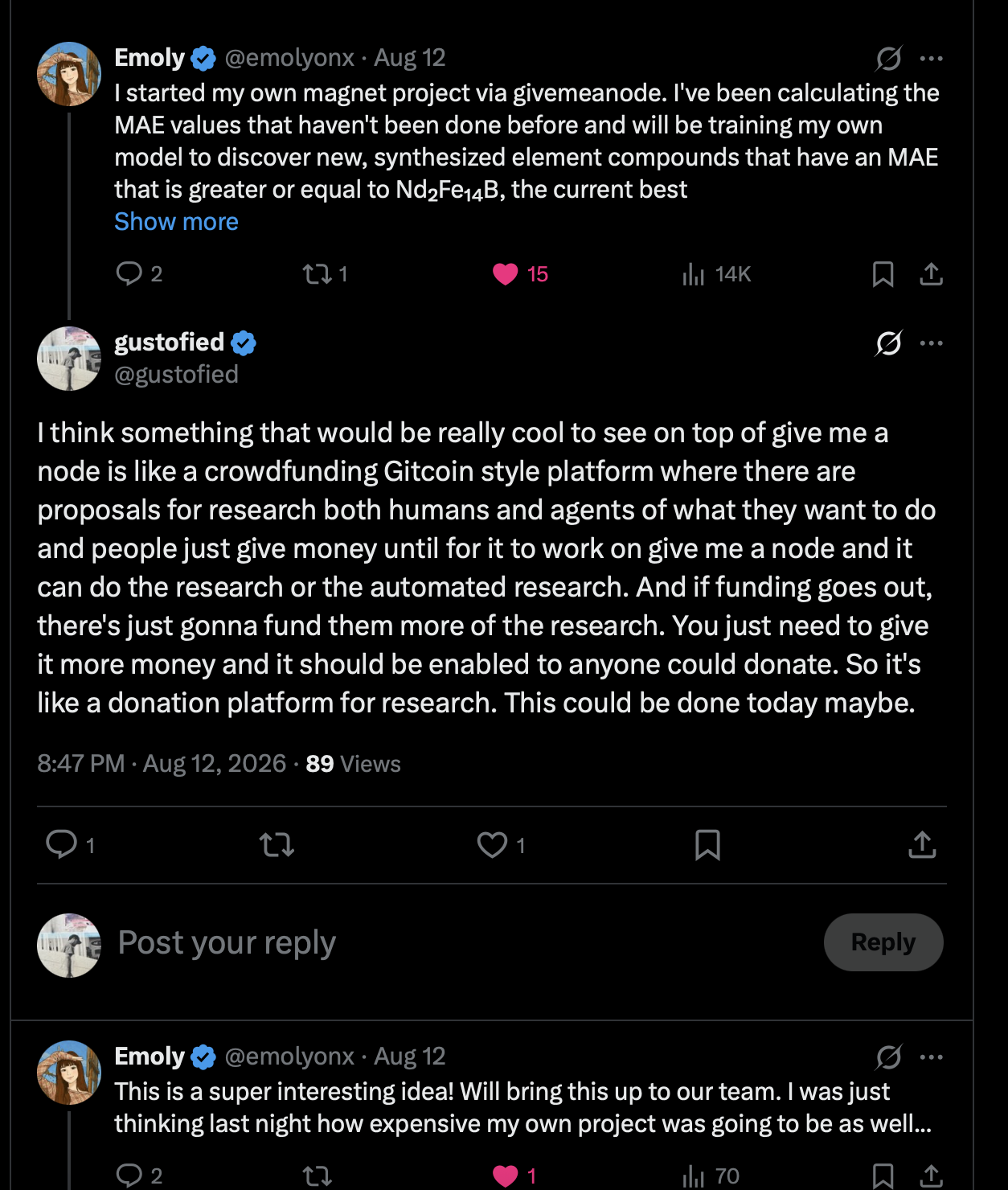
Inside a lab, money can become compute directly. Outside, research is funded indirectly: VCs fund companies, companies fund teams, and academia depends on grants. I think auto-research opens a third path: a funding layer on top of compute platforms such as SF Compute, where people can fund ideas and projects directly, without a company or institution sitting in the middle.
Homerun becomes possible when compute is commodified in two ways: financially, so it can be bought in small units, and technically, so portable workloads can be routed to whatever capacity is available. The thesis around this stems from OUDAU. It is a new type of economy that competes with VCs and the old guard of academia. At the same time, it tries to align both more closely with society.
As compute becomes more powerful, access to it may also become more gated. A small number of labs can decide which questions deserve a run, whether that means cancer, an optimization problem, a theorem, or whatever they choose. Researchers may prove the value of a direction under a limited compute budget, only to watch a better-resourced lab absorb the idea and pursue it privately at a scale they cannot match. Homerun gives that choice to people and communities, creating a public way to decide which problems should receive compute. Collective intelligence. Wisdom of crowds. We allocate.
So what is Homerun? Homerun gives people and communities a way to choose which problems matter, fund them together, and direct that funding into compute. It puts scientists and their ideas at the front. It’s a Gitcoin/Kickstarter on top of an auto-research platform. It’s open and would be exciting to follow.
Many scientific problems can attract serious funding only after being wrapped inside a venture-backed company. That creates incentives to pursue what can become a company, rather than what may matter most. By directing money into individual research problems and projects, Homerun could bring capital from outside venture funding directly into research and create a more open funding system.
Following a run



Inside a team
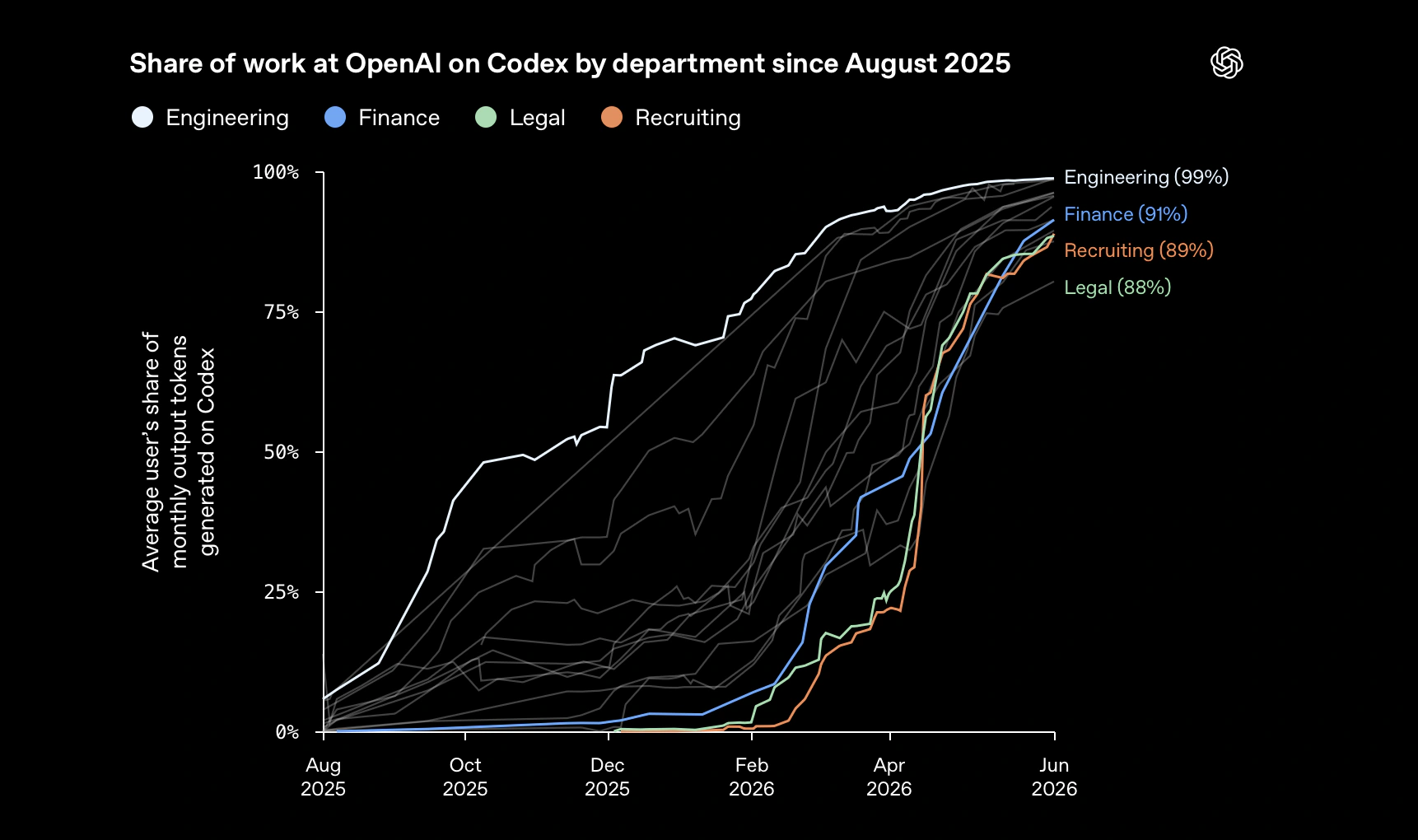
But Homerun as a platform is not just about auto-research or funding. The same system can face outward as a Gitcoin/Kickstarter for goals, or inward as a private workspace for teams. What I call Codex Now could also be used as an internal tool to drive a project, an idea, or a goal all the way to its end. This is the thesis of slashgoal. My thesis is that companies will adopt it: a top-down approach over /goal that enables experts and key stakeholders to help other group members carry work forward. Something like /goal makes a lot of sense to me. It is a transformative way of working.
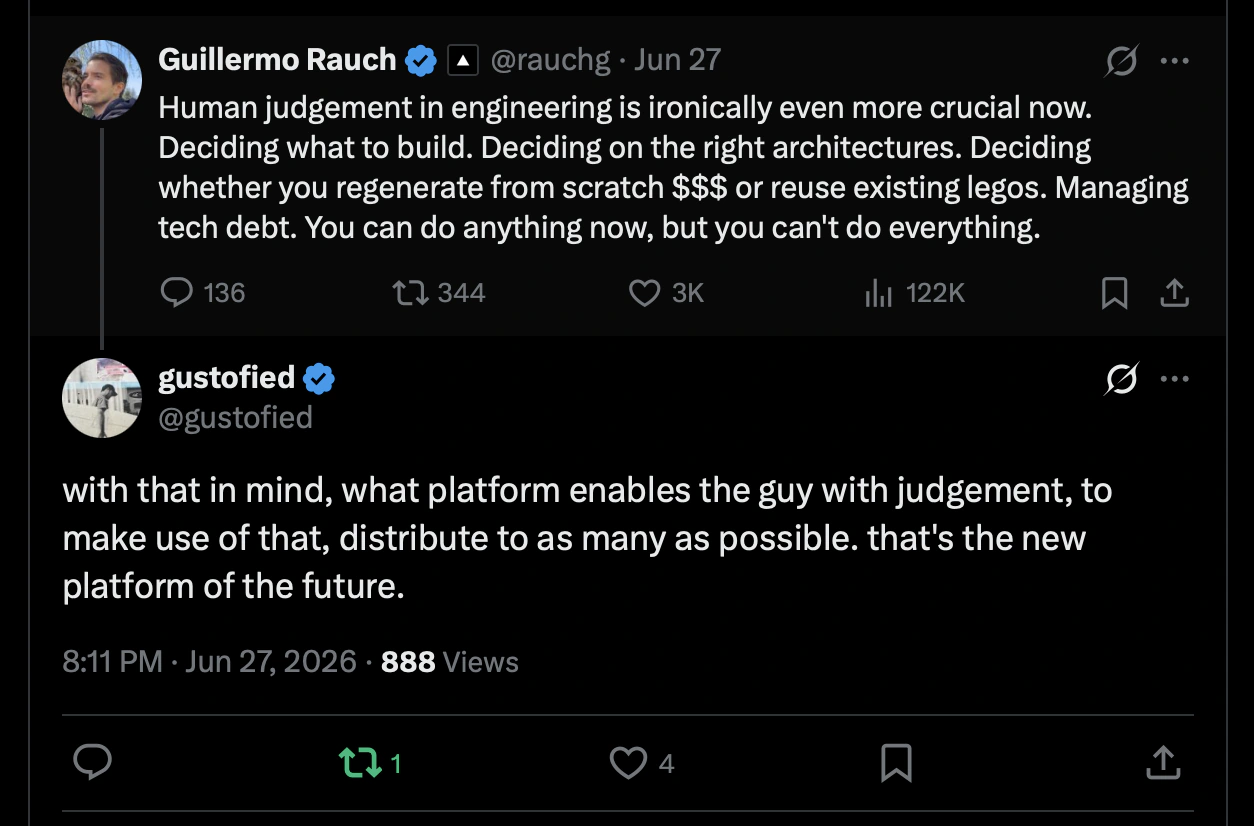
An internal /goal layer allows the best experts to distribute how they think, what they notice, and how they believe the work should proceed, without needing a large team beneath them. Giving more people access to agents does not remove the need for someone with a technical understanding of the system as a whole. The expert becomes the director of the goal: defining it, steering the run, and exercising judgment at each important turn. This could be especially powerful in consulting, where one exceptional person directing agents may be far more valuable than ten people using AI without the expertise to guide it.
Increasingly, each team will need to own the loop it builds around /goal. The models and code may be open, but the team’s data, context, decisions, and accumulated research should remain inside its own environment. Slashgoal would therefore run wherever the organization already controls that information, whether on its own server, in its cloud, or across its internal stack. The model can be open. The loop belongs to the team.
The technical shape of agentic work makes this an organizational problem too. A /goal run is a stateful loop that can grow for hundreds of turns, accumulate substantial context, and burn compute through failed retries. Companies will need internal systems that set budgets, preserve useful state, control which tools and data a run can access, and let managers decide when it should continue, stop, or receive more compute. That monitoring belongs in the platform too.